Buying Guides
Roofing Sheets Compared: Corrugated vs Tile Profile
11 Nov 2026 · Seegaan Hardware Team · 6 min read
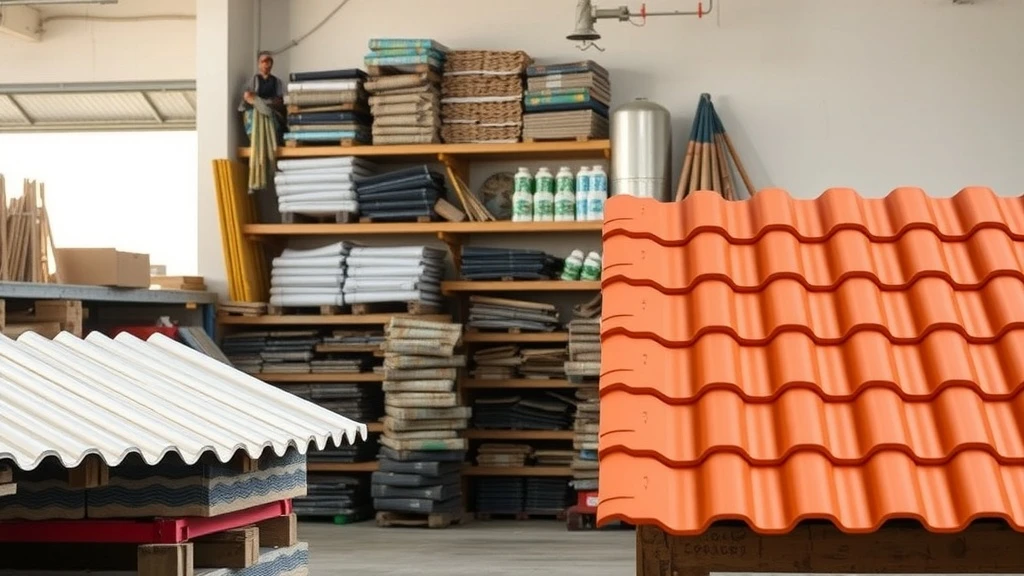
Choosing between corrugated and tile profile roofing sheets comes down to three things: the look you want, your budget, and where the building stands. Both profiles are typically roll-formed from coated steel, both shed heavy monsoon rain effectively, and both install far faster than traditional clay tiles. The real differences show up in appearance, handling and price, and this guide walks through each so you can order with confidence.
Corrugated roofing sheets are the classic wave-shaped sheets used on homes, shops, warehouses and sheds across Sri Lanka. Tile profile sheets are steel sheets formed to imitate rows of overlapping roof tiles, giving a traditional look with the lightness of metal. Neither profile is better in every situation; the right choice depends on your project.
What is a corrugated roofing sheet?
A corrugated sheet is a metal panel formed into a repeating wave or trapezoidal pattern. That pattern is not decorative. The curves act like tiny arches, stiffening a thin sheet so it can span purlins and carry wind and rain loads without bending. Corrugated sheets are most commonly made from galvanised steel or steel with a zinc-aluminium coating, and they are widely used for full roofs, verandahs, factories, garden structures and agricultural buildings.
Thickness matters as much as profile. Sheets are commonly sold in gauges such as 28, 30 and 32; the lower the gauge number, the thicker and stronger the sheet. A thicker sheet can span wider purlin spacing and resists denting better, so confirm the gauge with your supplier before you order.
What is a tile profile roofing sheet?
A tile profile sheet is a steel sheet roll-formed so the surface imitates rows of clay or concrete tiles. Structurally it behaves much like other coated steel roofing sheets: light, strong and quick to fix down. The ridges and valleys replicate the shadow lines of a traditional tiled roof, which is why tile profile is a favourite for houses, extensions and buildings where a classic tiled appearance is wanted without the weight and cost of real tiles.
Which profile handles Sri Lankan weather better?
For rain and wind, the coating, thickness and installation quality matter more than whether the sheet is corrugated or tile profile. Both profiles are designed to shed water quickly when laid at the correct pitch with proper overlaps. In coastal areas where salt air speeds up rust, prioritise a high-quality corrosion-resistant coating and inspect the roof more often; the profile type is a secondary concern.
One practical difference: the deep ridges of a tile profile hold slightly more debris, such as leaves and coconut fronds, than a smooth corrugated wave, so roofs under tall trees may need a little more cleaning.
Which type is faster and easier to install?
Corrugated sheets are generally the quickest to install because the simple wave pattern is forgiving. Laps are straightforward, sheets are easy to handle, and cutting around ridges or vents is simple. Tile profile sheets install almost as fast, but the decorative ridges demand neater alignment and more careful screw placement so the pattern lines up across the roof.
Both profiles need the same fundamentals done right: correctly spaced purlins or battens, roofing screws with bonded rubber washers, correct side and end laps, and ridge capping sealed against driving rain. A well-installed budget sheet outlasts a premium sheet fitted badly, so use experienced installers for anything beyond a small shed roof.
Which profile looks better on a Sri Lankan home?
This is usually the deciding factor for homeowners. Corrugated sheets read as practical and utilitarian, which suits annexes, rear structures, workshops and commercial builds. Tile profile sheets read as a traditional tiled roof from a distance, so they suit street-facing houses and renovations near older tiled homes. If you are roofing a rental annexe or a store room, corrugated is hard to beat. For the main family home, many owners choose the tile look because appearance adds lasting value.
How much do corrugated and tile profile sheets cost?
Both profiles are priced per sheet, and the final figure depends on gauge, coating quality, brand and current steel market rates. Tile profile generally sits slightly above plain corrugated because of the extra forming involved, but the gap is not fixed. Prices vary; contact us for current rates before budgeting, and compare options on a per-square-metre basis rather than per sheet, because effective coverage differs between profiles.
How do you choose the right roofing sheet for your project?
Use this checklist before ordering:
- Building type: a main residence leans toward tile profile, while sheds, annexes and commercial spaces suit corrugated.
- Location: near the coast, spend on coating quality first and treat both profiles as equal.
- Roof design: simple, low-pitch or long-span roofs are easiest to complete with corrugated sheets.
- Budget: fix the gauge (thickness) first, then choose the profile that fits the remaining budget.
- Appearance: if the roof is visible from the street, the tile profile usually wins on looks.
If you are unsure, bring your measurements or your plan and ask for both profiles to be quoted side by side at the same gauge. That comparison makes the decision clear within minutes.
Where can you buy quality roofing sheets in Sri Lanka?
Buy from a supplier who will state the gauge, coating type and effective coverage of every sheet, not just the price. You can browse our range of roofing sheets and building materials for both corrugated and tile profiles, and contact our team for current rates, delivery arrangements and advice on purlin spacing and fixings for your roof.
Frequently asked questions
Are tile profile roofing sheets made of metal?
Yes. Most tile profile sheets sold today are roll-formed coated steel, the same metal as corrugated sheets but shaped to imitate roof tiles. Lightweight non-steel imitations also exist, so always confirm the material and coating before buying.
Can corrugated roofing sheets be used for carports and garden sheds?
Yes. Corrugated sheets are the standard choice for carports, sheds, garages and covered walkways because they are light, quick to fix and easy to span between purlins. Choose a thicker gauge for structures exposed to strong wind or falling branches.
Can I put steel roofing sheets over an old tiled roof?
Sometimes. If the existing timber structure is sound, sheets can be fixed to new battens or purlins installed over the old roof, saving demolition cost. The structure must first be checked for load, so have a builder or engineer assess it before you decide.
How do I stop a metal roof from leaking in heavy monsoon rain?
Leaks usually come from fixings and laps, not the sheet itself. Use screws with bonded rubber washers, keep the correct side and end overlaps, seal ridge caps properly, and clear leaves from valleys and gutters regularly. Re-tighten loose screws after the first big storms each year.