Buying Guides
Paint Buying Guide: Emulsion vs Enamel for Sri Lankan Homes
14 Nov 2026 · Seegaan Hardware Team · 6 min read
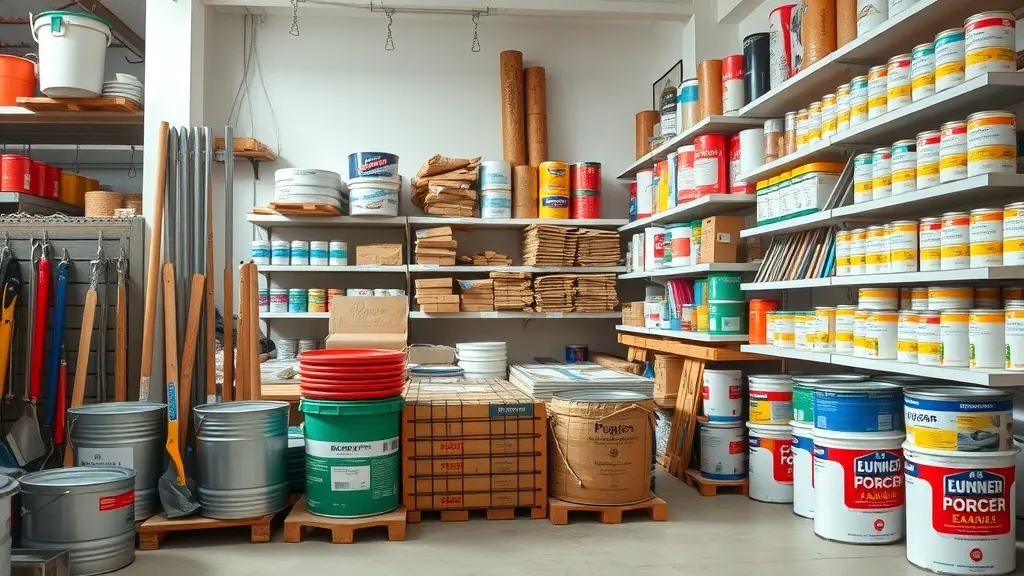
Quick answer: choose emulsion for walls and ceilings, and enamel for wood, metal, and high-touch surfaces. Emulsion is a water-based paint that dries fast with low odour, making it the default choice for interior walls in Sri Lankan homes. Enamel is a solvent-based paint that dries to a hard, glossy, washable film, which makes it ideal for doors, window frames, grills, trims, and furniture. This guide explains how each type performs in Sri Lanka's humid, monsoon-tested climate, and how to choose the right paint for every surface before you buy.
What is the difference between emulsion and enamel paint?
The core difference is the base. Emulsion is water-based: pigment and resin are suspended in water, and the film forms as the water evaporates. Enamel is solvent- or oil-based: it levels into a smooth, tough, usually glossy surface as the solvent evaporates. Everything else — drying time, smell, cleanup, and durability — follows from that difference.
- Finish: Emulsion comes in matte, silk, and sheen grades; enamel is typically high-gloss or satin.
- Drying and odour: Emulsion dries quickly with low odour, and brushes and rollers wash out in water. Enamel needs longer to harden and requires mineral spirits for cleanup.
- Best surfaces: Emulsion suits plaster, cement, concrete, and brick. Enamel suits timber, metal, and surfaces that are handled or washed often.
- Durability: Enamel forms a harder film that resists knocks and scrubbing, while emulsion stays slightly flexible and breathable on masonry walls.
Which paint should you use for interior walls in Sri Lankan homes?
For most rooms, emulsion is the right paint for interior walls and ceilings. It flows smoothly over plastered block and cement walls, keeps odour low while your family is still living in the house, and gives you a finish grade for every room and budget.
- Matte emulsion hides small plaster imperfections, making it a good pick for living rooms and bedrooms with minor wall flaws.
- Sheen or silk emulsion wipes clean more easily, which suits hallways, dining areas, and homes with children.
- Kitchens and bathrooms: use a washable sheen grade on the walls, keep good ventilation, and tile or use enamel around areas that get soaked or scrubbed daily.
Whatever grade you pick, plan for two coats over a suitable primer or sealer for even colour and proper coverage, and follow the drying times printed on the tin between coats.
When is enamel paint the better choice?
Choose enamel whenever the surface is wood or metal, or takes daily wear. Its hard, glossy film seals timber against moisture and stands up to hands, cleaning, and weather far better than emulsion.
- Doors, door frames, and window frames that are opened and handled every day.
- Metal gates, grills, railings, and security bars, always over a rust-inhibiting primer.
- Skirting boards, kitchen trims, and bathroom trim where moisture and cleaning are frequent.
- Furniture and cupboards that need a durable, wipeable finish.
During monsoon months, humidity swells timber and condensation attacks bare steel, so a well-primed enamel coat is genuinely protective, not just decorative.
How does Sri Lanka's climate affect your paint choice?
Sri Lanka's heat, humidity, monsoon rain, and strong sun are the main reasons paint jobs fail early, so match the paint to the exposure. For interior walls, a quality emulsion handles humidity well as long as the wall itself is dry — fix leaks and rising damp before painting, because no topcoat hides a moisture problem for long. For exterior masonry, use an exterior-grade emulsion or weather-shield type product designed for rain and UV, and never paint onto a damp surface or when rain is expected. In coastal areas, salt air speeds up corrosion, so metal work needs extra care: wire-brush off rust, prime with a rust-inhibiting primer, then finish with enamel. For timber windows and doors, enamel seals out moisture that would otherwise cause swelling and peeling. Finally, paint early in the day so surfaces dry properly, and store paint in a cool, shaded place — never in direct sun.
How much paint do you need for your home?
Work it out before you buy so you don't run short mid-wall. Measure each wall's width and height, multiply to get the area, and add ceilings if you are painting them. Then use this simple formula:
Litres needed = total area × number of coats ÷ coverage per litre
The coverage per litre is printed on every tin, and it varies by product, surface texture, and colour, so always check the label rather than guessing. Rough or absorbent new plaster soaks up more paint than a sealed wall. Buy all your tins from the same batch number so the colour matches perfectly, and pick up a small sample pot to test the colour on the actual wall before committing to the whole room. Prices vary by brand, grade, and finish; contact us for current rates.
Where should you buy paint in Sri Lanka?
Seegaan Hardware Centre supplies emulsion, enamel, primers, sealers, and all the brushes, rollers, and prep materials that go with them, direct to builders and homeowners across Sri Lanka. You can browse our paint and building-material range at [Seegaan products](https://seegaan.lk/products). Not sure which grade, finish, or primer your project needs? Our team will look at your surfaces and quantities and recommend the right system — [get in touch with us](https://seegaan.lk/contact) for advice and current prices.
Frequently asked questions
Can I apply enamel paint over emulsion paint?
Yes, if the emulsion is sound. Clean the wall, lightly sand it to dull the surface, wipe away the dust, and apply a suitable primer before the enamel for the best adhesion. Never apply emulsion over enamel without thorough sanding and priming, as the slick enamel film will cause the new paint to peel.
Can emulsion paint be used on wood or metal?
Emulsion is formulated for plaster, cement, and masonry, so it is not the best final coat for timber or steel. These surfaces expand, contract, and get knocked or handled, so use enamel or a dedicated wood and metal paint over the correct primer instead.
Is emulsion paint washable?
Higher-sheen emulsions are the most washable; matte finishes are the least. For light marks, wipe gently with a soft cloth, mild soap, and water, and always test a small hidden patch first. In hallways and homes with children, a sheen or silk finish will stay looking fresh far longer than matte.
How many coats of paint do I need?
Two coats over a suitable primer is the standard for even colour and coverage. You may need an extra coat when covering a strong dark colour, painting fresh plaster, or hiding repairs. Always let each coat dry for the time stated on the tin before applying the next.