Buying Guides
Plumbing Pipes Explained: CPVC vs PPR vs PVC
13 Nov 2026 · Seegaan Hardware Team · 7 min read
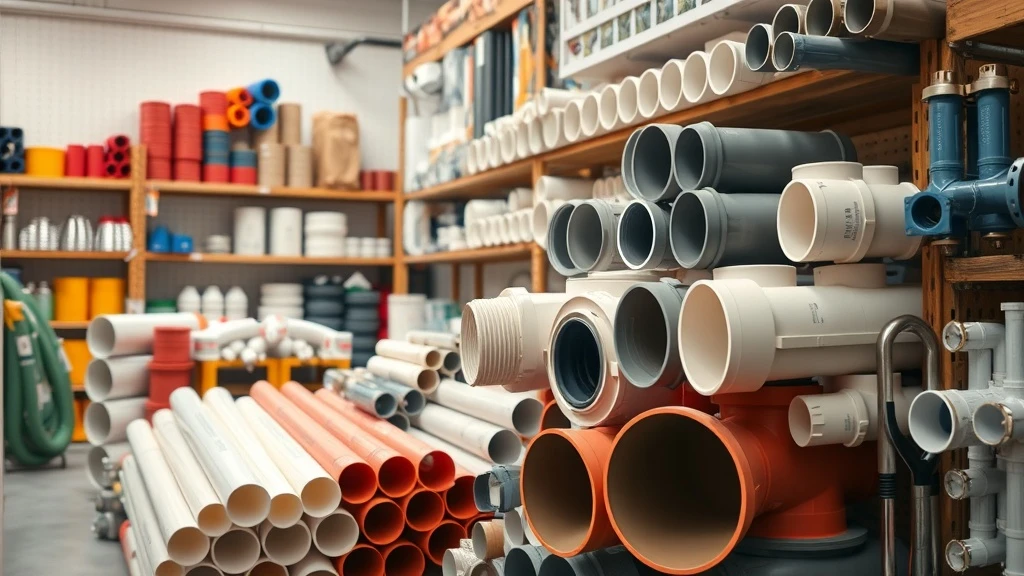
Choosing the right pipe is one of the most important decisions in any plumbing job. In Sri Lankan homes and construction sites, three materials dominate: PVC for cold water and drainage, CPVC for hot and cold water supply lines, and PPR for durable hot and cold plumbing that is heat-fused into a leak-proof system. This guide explains how each pipe behaves, where it belongs in your building, and how to choose between them with confidence.
What is the difference between PVC, CPVC and PPR pipes?
The short answer: PVC is a general-purpose plastic pipe for cold water and drainage, CPVC is a chlorinated version of PVC that handles hot water, and PPR is a polypropylene pipe joined by heat fusion that is widely regarded as the most durable option for supply plumbing. All three are corrosion-proof and lighter than metal pipes, but they differ in temperature tolerance, joining method, flexibility and price.
- PVC (Polyvinyl Chloride): rigid, lightweight and economical; the standard choice for cold water, drainage and sewer lines. Not recommended for hot water.
- CPVC (Chlorinated Polyvinyl Chloride): extra chlorine in the compound raises its heat resistance, making it suitable for hot and cold potable water lines.
- PPR (Polypropylene Random Copolymer): a tough, semi-rigid pipe welded with a fusion tool; joints become as strong as the pipe itself, which makes it popular for concealed and hot water plumbing.
What is PVC pipe best used for?
PVC is best for cold water supply, drainage, venting and sewage lines where the water stays at normal temperatures. It is affordable, easy to cut, and joined quickly with solvent cement and simple fittings, which is why contractors across Sri Lanka use it for drainage stacks, gully connections and external water lines.
There is one limit to remember: standard PVC softens as water temperature rises, so it should never carry hot water from a geyser or solar heater. For those runs, step up to CPVC or PPR. PVC also becomes brittle in prolonged direct sunlight, so keep exposed outdoor runs shaded or sleeved, and support long horizontal runs properly.
Is CPVC the right pipe for hot water lines?
Yes — for most residential hot water needs, CPVC is a proven, widely used choice. The extra chlorination gives it the heat tolerance that ordinary PVC lacks, so CPVC handles continuous hot-water service from geysers, solar systems and mixers without softening. It is installed with the same solvent-cement method as PVC, which means plumbers already familiar with PVC can work with it easily.
CPVC also has smooth walls that resist scale build-up, helping maintain good flow pressure over the years. When buying, always check that the pipe and fittings are certified for potable hot water and use the manufacturer's CPVC solvent cement — ordinary PVC cement will not create a reliable joint on CPVC.
Why do plumbers prefer PPR for concealed plumbing?
PPR is preferred for concealed plumbing mainly because of its joints. A fusion tool melts the pipe and fitting together, producing a permanent, homogeneous weld with no glue, no rubber seals and no mechanical joint to loosen over time. Once a PPR line is embedded in a wall or floor slab, that monolithic jointing is exactly what a builder wants behind the tiles.
PPR is also a strong all-round performer: it tolerates both hot and cold water, resists scale, and is supplied in pressure classes (such as PN16 and PN20) so you can match the pipe to the line's working pressure. The trade-offs are that PPR costs more than PVC, and installation needs a fusion machine and a trained installer. For renovation or exposed repairs, its rigid runs and fittings are also less adjustable than glued systems.
How do the joints differ between PVC, CPVC and PPR?
Jointing is often the deciding factor on site. PVC and CPVC are assembled cold with solvent cement, which is fast and needs no electricity — ideal for day-to-day repairs and drainage work. PPR is joined with heat fusion, which needs a powered tool and a little skill but produces the strongest, most permanent joints of the three.
- PVC: solvent-cemented sockets; quick, cheap, best for cold water and drainage.
- CPVC: solvent-cemented sockets with CPVC-specific cement; rated for hot water.
- PPR: heat-fused sockets; permanent welds, ideal inside walls and floors.
Whichever system you choose, never mix fittings across the three types, and let solvent-cemented joints cure fully before testing the line with water pressure.
Which pipe should you use in each part of your house?
A simple rule of thumb works for most Sri Lankan homes: PVC below ground and for drainage, CPVC or PPR for pressurised supply, and either hot-water pipe for the geyser run. Use this quick map:
- Kitchen and bathroom supply (cold): PVC, CPVC or PPR, depending on budget and exposure.
- Geyser and solar hot water lines: CPVC or PPR only — never standard PVC.
- Drainage, soil and waste lines: PVC.
- Concealed lines behind walls or under floors: PPR is the most trusted option thanks to fusion joints.
- Outdoor exposed runs: UV-protected or sleeved pipes, with proper supports.
How much do plumbing pipes cost in Sri Lanka?
Prices vary; contact us for current rates. As a general guide, PVC is the most economical of the three, CPVC sits in the middle, and PPR costs more per metre plus the fusion installation. What matters more than the sticker price is total system cost: a cheap pipe on a hot water line can fail and damage finishes, so always match the pipe to the application first and the budget second.
Where can you buy genuine plumbing pipes in Sri Lanka?
Seegaan Hardware Centre supplies PVC, CPVC and PPR pipes and fittings from trusted brands to builders, contractors and homeowners islandwide, along with honest advice on sizing and pressure classes for your project. You can [browse our full range of plumbing pipes and fittings](https://seegaan.lk/products), and if you are unsure which system suits your building, [contact our team](https://seegaan.lk/contact) for current prices and a quotation. Buying genuine, certified pipe from a single supplier keeps your joints consistent and your warranty intact.
Frequently asked questions
Can I use PVC pipe for hot water?
No. Standard PVC is not hot-water rated and will soften where a geyser or solar heater feeds the line. Use CPVC or PPR for any hot water run, and keep PVC to cold water and drainage.
Which lasts longer, CPVC or PPR?
Both are long-life materials when installed correctly. PPR's heat-fused joints have no glue to break down, which is why many plumbers favour it for concealed hot and cold lines, while CPVC has decades of proven service when good fittings and the correct solvent cement are used. Installation quality usually matters more than the material itself.
Do I need a special tool to install PPR pipes?
Yes. PPR joints are made with a heat fusion machine that melts the pipe and fitting together. It is a simple tool to use, but the surfaces must be clean and the heating time correct, so most homeowners leave PPR work to a plumber.
Are PVC and CPVC fittings interchangeable?
No. PVC and CPVC have different wall thicknesses and heat ratings, and each needs its own solvent cement. Always pair CPVC pipe with CPVC fittings and CPVC cement, and the same for PVC, so joints stay strong and warranties remain valid.