Buying Guides
Power Tools Buying Guide for DIY and Professionals in Sri Lanka
17 Nov 2026 · Seegaan Hardware Team · 6 min read
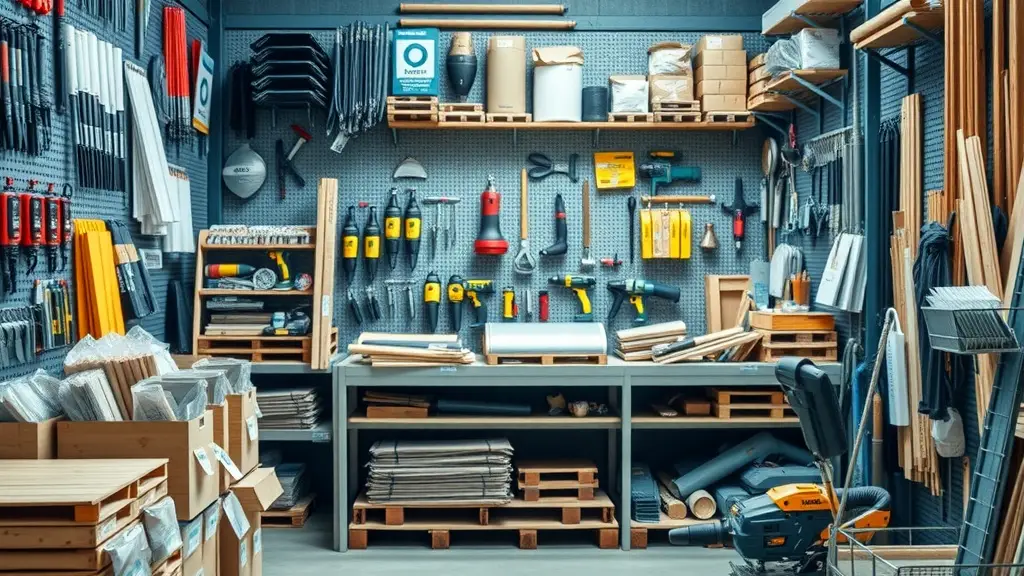
The right power tools for you depend on three things: how often you will use them, the materials you work with, and whether they must survive daily site conditions. For most Sri Lankan homeowners starting out with DIY, a cordless drill-driver, an angle grinder, and a jigsaw or circular saw cover the great majority of home projects. Professionals and contractors should look further: brushless motors, higher-capacity batteries, and brands with dependable after-sales service in Sri Lanka. This guide walks through both sides of the decision so you buy once, and buy right.
What power tools should a DIY beginner buy first?
Start with the machines that handle the widest range of everyday tasks rather than highly specialised ones. A typical Sri Lankan home has cement-block walls, timber work, metal gates and grills, and interiors that need repainting, so the following tools cover most jobs you will meet.
- Cordless drill-driver (12V to 18V): the single most useful DIY power tool. It drives screws for furniture and fittings, and with a masonry bit it drills into brick and block walls for shelves, TV brackets and curtain rails.
- Angle grinder (4-inch or 4.5-inch): indispensable for cutting and smoothing metal, from gate repairs and grill work to rusted bolts, and, with the correct disc, for tile and masonry work.
- Jigsaw or circular saw: pick a jigsaw for curved cuts in plywood and board material, or a circular saw for straight cuts in roof timber and framing.
- Orbital sander: saves hours of hand sanding before painting and gives a noticeably better finish on doors, furniture and trims.
If your budget allows only one purchase this month, make it the drill-driver. Most first-time buyers are surprised how often it leaves its case.
Corded or cordless power tools: which suits Sri Lankan conditions better?
For most buyers, cordless is the better first choice: modern battery tools deliver ample power for DIY work while freeing you from extension leads and socket locations. Corded tools still win in two situations, sustained heavy work such as concrete breaking or long cutting sessions, and fixed workshop machines like bench grinders and pedestal drills.
- Cordless advantages: portability, safer handling in damp outdoor areas, and independence from power sockets, which is useful around gardens, rooftops and sites without finished wiring.
- Corded advantages: constant output that never fades mid-task, lower weight for the same power, and no batteries to charge or eventually replace.
- Battery advice: for DIY, an 18V-class platform is the sensible standard. Buy a kit with two batteries so one is always charged, and store lithium-ion packs cool and dry, away from full discharge and direct sunlight.
What should professionals look for beyond the basics?
When your tools earn your income, the buying criteria change: durability, repairability and downtime matter more than the price on the box. Compare professional-grade power tools on these points.
- Brushless motors: more efficient, cooler running and longer lasting than brushed motors, which makes a real difference when a tool works all day on site.
- Higher battery capacity: 4Ah to 5Ah packs stretch your working time between charges, and committing to one battery platform across several tools cuts total cost.
- Rugged build: metal gear housings, sealed switches and rubber over-moulding survive dust, rain splash and rough transport far better than light-duty machines.
- Dust management: for concrete drilling and cutting, choose tools with dust extraction connections to protect your lungs and extend motor life.
- Warranty and spares: check that switches, carbon brushes, chargers and batteries are available locally. Strong service support can decide the true cost of ownership more than the purchase price.
How do you set a budget without overpaying?
Match the tool grade to how often you will actually use it. Occasional home DIY is well served by entry-level and mid-range tools from reputable brands, while daily site work justifies professional-grade equipment that outlasts cheaper machines. Avoid unbranded imports with no local warranty: a failed motor or an unavailable battery often renders the whole tool worthless. Prices vary; contact us for current rates on specific brands and kits. Also ask about combo kits, since a drill, impact driver, grinder and work light sharing two batteries usually costs less than buying each tool on its own.
Which safety gear and accessories should you buy with the tool?
A power tool is only half the purchase; the right accessories and protective gear decide whether the job is fast, tidy and safe.
- Eye and ear protection: wear safety glasses whenever you grind, cut or drill, and use ear defenders or plugs with grinders, breakers and saws.
- Respiratory protection: use an FFP2-type dust mask when cutting concrete, cement board or treated timber, because fine silica dust is a serious and permanent health hazard.
- Electrical safety: in monsoon conditions never run corded tools on wet ground; use an earth-leakage (RCD) protected outlet and inspect cables and plugs before every use.
- Correct consumables: match each disc and bit to the material and its RPM rating, using masonry bits for block walls and HSS bits for steel, and keep blades sharp, because a blunt blade forces you to push harder and is more dangerous, not less.
Where should you buy power tools in Sri Lanka?
Buy from a supplier that stocks genuine branded tools, honours manufacturer warranties, and takes time to recommend the right machine for your work, not simply the cheapest box on the shelf. Seegaan Hardware Centre supplies drills, grinders, saws, breakers, measuring tools and accessories to both homeowners and contractors across Sri Lanka. You can browse [our range of power tools and hardware](https://seegaan.lk/products), or [contact our team](https://seegaan.lk/contact) for advice on brands, kits and current prices before you order.
Frequently asked questions
What is the first power tool a DIY beginner should buy?
A cordless drill-driver in the 12V to 18V range, ideally sold as a kit with two batteries and a set of drill and driver bits. It handles screwdriving, furniture assembly and wall drilling, which together cover most home projects, and it is the tool you will reach for most often.
Are cordless power tools powerful enough for professional work?
Yes. Modern brushless 18V platforms power hammer drills, grinders, circular saws and even breakers at levels suited to full-time site work. Many professionals now run cordless kits for mobility and safety, keeping one corded machine only for sustained heavy-duty tasks.
How long do power tool batteries last?
A lithium-ion pack normally gives several years of regular use before its capacity fades noticeably. You extend its life by avoiding full discharge, storing it cool and dry, and letting it cool down before recharging after heavy work. When a battery finally weakens, a genuine replacement for your brand's platform is usually far cheaper than replacing the whole tool.
Do power tools need special electrical supply in Sri Lanka?
No. The standard household supply of 230V in Sri Lanka matches most imported power tools, but always check the rating plate on the tool and plug before use. On sites or with generators, use earth-leakage (RCD) protection, and match the generator capacity to the tool's rated input, particularly for high-draw machines such as breakers and compressors.