Buying Guides
Electrical Wiring Basics for New Homes in Sri Lanka
12 Nov 2026 · Seegaan Hardware Team · 7 min read
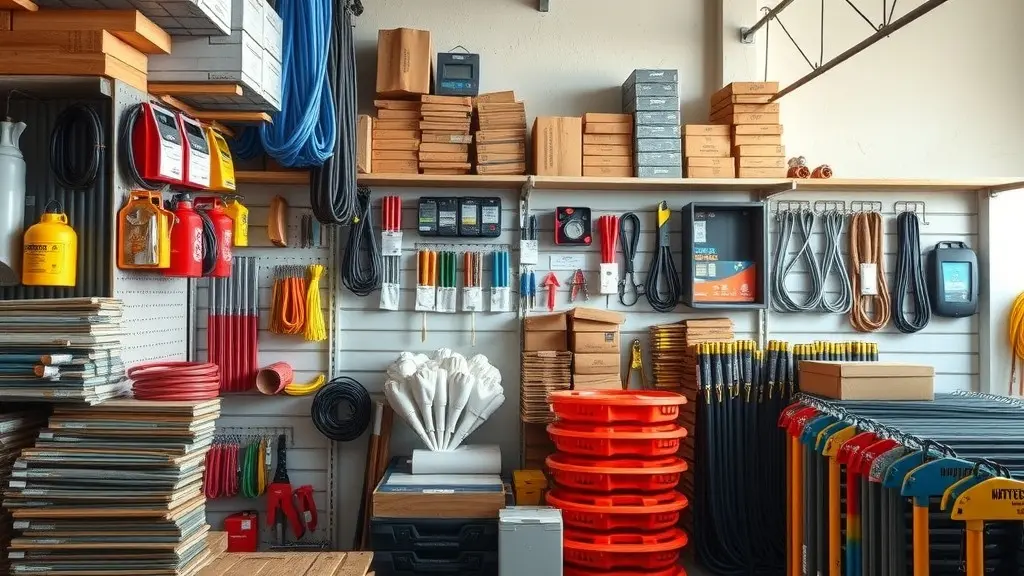
Good electrical wiring is one of the most important investments in a new home in Sri Lanka. It is installed once, hidden inside the walls, and expected to work safely for decades. This guide explains the basics — the main components, common cable sizes, planning steps, safety features, and the materials to buy — so you can plan your home's wiring with confidence.
Why is proper electrical wiring so important in new homes?
Because wiring is concealed, mistakes are expensive to fix. Once walls are plastered and painted, changing a cable route means breaking walls and redoing finishes. Unsafe wiring also raises the risk of electric shock and fire. Correctly sized cables, genuine materials, proper earthing, and a well-planned distribution board protect your family, your appliances, and your investment — so make wiring decisions during the design stage, not after construction begins.
What are the main parts of a home wiring system?
Every residential installation, from a small annex to a two-storey house, is built from the same core components:
- Main switch and distribution board (DB): the control centre where the incoming supply is divided into circuits and protected by breakers.
- MCBs and RCDs: miniature circuit breakers protect cables from overload and short circuits, while RCD or RCBO protection cuts the supply quickly during earth leakage to reduce the risk of serious shock.
- Lighting circuits: supply ceiling lights, wall lights, and external lamps through the switches you position on the plan.
- Socket circuits: feed general-purpose outlets for televisions, chargers, computers, and small kitchen appliances.
- Dedicated circuits: separate supplies for heavy loads such as air conditioners, water heaters, cookers, and water pumps.
- Earthing system: the earth electrode and earth conductors that safely channel fault current away from people and equipment.
- Conduits and accessories: PVC conduits, bends, and boxes that protect cables inside walls and ceilings.
Which cables and wire sizes are commonly used in Sri Lankan homes?
Most new homes in Sri Lanka use PVC-insulated copper conductor cables pulled through PVC conduits. Your electrician must finalise sizes after calculating your connected load, but these are the sizes commonly used as a starting point:
- 1.5 mm² for lighting circuits.
- 2.5 mm² for general-purpose socket circuits.
- 4 mm² to 6 mm² for heavier loads such as air conditioners, water heaters, and cooking appliances.
- Larger sizes for the main supply feed into the distribution board, based on your total load and utility requirements.
Whatever the size, insist on genuine cable from reputable manufacturers that carries SLS or IEC standard marking, and buy from a trusted supplier so you do not end up with under-spec or counterfeit cable inside your walls.
How should you plan circuits and switch points before construction starts?
Planning is where good wiring is really decided. Walk through the house plan with your electrician and mark positions on the actual walls before any chasing or conduit work begins:
- Finalise furniture layouts so sockets land where you will actually use them — beside beds, at desks, and along kitchen counters.
- Plan two-way switching for staircases and long corridors.
- Give every heavy appliance its own dedicated circuit.
- Keep a spare conduit run to the DB and key rooms for future needs such as an inverter, solar changeover, or security system.
- Include outdoor points for garden lighting, a gate motor, and a weatherproof socket near the porch.
- Agree mounting heights for switches and sockets so everything is consistent throughout the house.
What safety features should every new home include?
Modern wiring is judged by what happens during a fault, so build these protections into the design from the start:
- Complete earthing: every circuit, socket, and metallic appliance body earthed back to a proper electrode. Never skip earthing to save cost.
- RCD protection: RCD or RCBO protection on socket circuits cuts the supply quickly during earth leakage and protects people from dangerous shocks.
- Correctly rated MCBs: each breaker must match the cable it protects, so an overload trips the breaker before the cable overheats.
- No buried joints: all cable joints are made inside accessible boxes — never plastered into a wall.
- A labelled DB schedule: a chart inside the board showing which breaker controls which circuit saves hours during future repairs.
- Quality switches and sockets: cheap accessories are a common point of failure, so choose certified brands.
What electrical materials will you need to buy?
Once the plan is agreed, your electrician can prepare a bill of materials. For a typical new home this usually includes:
- Cables in each of the required sizes, plus earth wire.
- PVC conduits, bends, tees, junction boxes, and saddles or clips.
- Switch and socket boxes, switches, sockets, and cover plates.
- A distribution board with MCBs and RCD or RCBO protection.
- Earthing accessories such as an earth electrode, clamp, and earth pit cover.
- Ceiling roses or holders, light fittings, fans, and weatherproof units for outdoor areas.
- Insulation tape, cable ties, lugs, and other consumables.
Seegaan Hardware Centre supplies genuine electrical materials for new homes, from cable and conduit to switchgear. Browse the range at [Seegaan Hardware Centre products](https://seegaan.lk/products) or send us your electrician's list for a quotation. Prices vary; contact us for current rates.
Should you hire a licensed electrician or wire the house yourself?
Always use a qualified, licensed electrician for new home wiring in Sri Lanka. The installation must satisfy the requirements of your electricity utility before the supply is connected, and a professional handles the load calculation, circuit design, earthing, and testing that inspectors expect. Do-it-yourself wiring removes those safeguards and puts your household at risk. Where you can add real value is in the planning and in buying certified materials. If you need support finding experienced installers, see [our services](https://seegaan.lk/services).
What mistakes should first-time builders avoid?
Most wiring problems in new homes trace back to a handful of avoidable decisions:
- Starting the wiring plan after walls are built instead of during the design stage.
- Reducing the number of sockets to cut cost, then living with a tangle of extension boards.
- Using undersized cable for heavy appliances because it worked at another house.
- Skipping or skimping on earthing and RCD protection.
- Mixing leftover cable of unknown quality into new work.
- Forgetting outdoor points, the pump room, and future additions such as solar or an inverter.
- Making the final payment without testing, inspection, and a labelled DB schedule.
Frequently asked questions
How much does electrical wiring cost for a new home in Sri Lanka?
Cost depends on the size of the house, the number of light and socket points, cable sizes, the grade of switchgear, and your location, so quotes can differ widely. Prices vary; contact us for current rates on the cables, breakers, and accessories you need, and we will help you budget the complete material list.
When should wiring be installed during construction?
Wall chasing, conduit runs, and box fixing are done after the masonry walls are built but before plastering, and ceiling wiring is run before ceilings are closed. The distribution board, switches, sockets, and light fittings are fitted near the end, after painting. Buying materials early and storing them safely keeps the electrician's work on schedule.
What cable size do I need for air conditioners and other heavy appliances?
Heavy appliances should each have a dedicated circuit, and cable sizes of around 4 mm² to 6 mm² are commonly used for items such as air conditioners, water heaters, and cookers. The correct size depends on the appliance rating, the cable run length, and installation conditions, so let your electrician confirm sizes after calculating the load rather than copying another house.
How do I know the cables I buy are genuine and safe?
Buy from established suppliers and check the printing on the cable for the manufacturer's name, conductor size, voltage grade, and SLS or IEC standard marking. Counterfeit and under-spec cables can overheat under normal load. Seegaan Hardware Centre stocks certified cables and switchgear from reputable brands, so you can build with confidence.