Tools
Hand Tools Every Homeowner Should Own
16 Nov 2026 · Seegaan Hardware Team · 7 min read
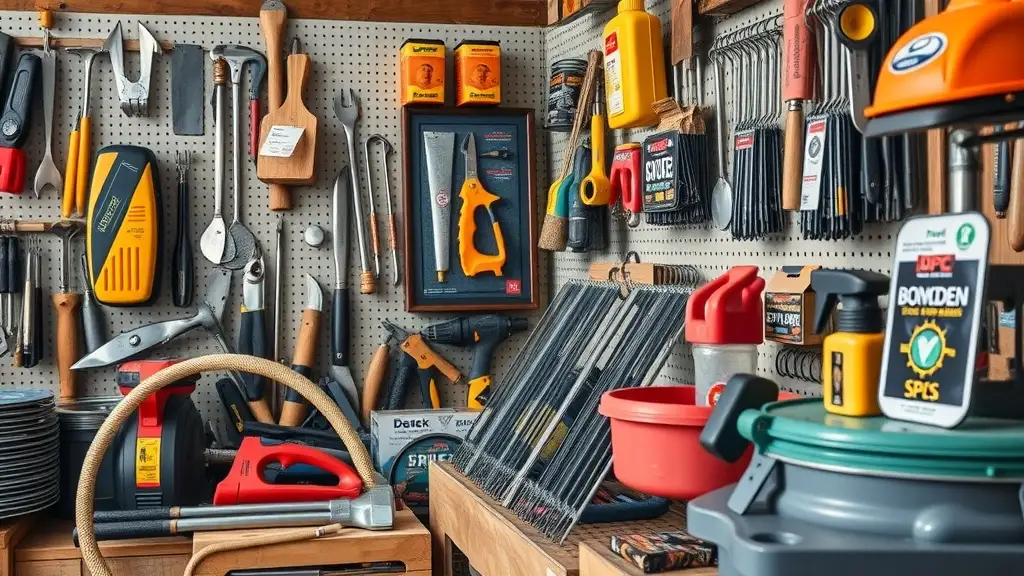
A well-chosen set of hand tools is the most practical investment a homeowner can make. For most Sri Lankan homes, ten core tools cover nearly every everyday repair: a claw hammer, a screwdriver set, an adjustable spanner, combination pliers, a tape measure, a spirit level, a utility knife, a hacksaw, a set of hex keys, and basic safety gear. With these you can hang shelves and curtain rods, tighten door hinges, repair furniture, cut PVC pipe and handle small maintenance jobs without waiting for a tradesperson. This guide explains what to look for before you buy and how to keep your kit in good condition in Sri Lanka's humid climate.
Which hand tools should every homeowner own first?
If you are building a starter toolbox, buy these ten items first. They handle the widest range of household tasks for the smallest total outlay:
- Claw hammer (450 g / 16 oz) – for driving and pulling nails in woodworking and general repairs.
- Screwdriver set – flathead and Phillips (crosshead) heads in at least three sizes each.
- Adjustable spanner (200 mm / 8 inch) – one wrench that fits most nuts, bolts and tap fittings.
- Combination pliers – for gripping, bending wire and holding objects steady.
- Long-nose pliers – for reach and precision in tight spaces.
- Tape measure (5 m) – the tool that prevents most costly cutting mistakes.
- Spirit level (600 mm) – for shelves, tiles and door frames that are truly straight.
- Utility knife with spare blades – for cutting plasterboard, packaging, rope and sheet materials.
- Hacksaw (300 mm) – for cutting PVC conduit, metal pipes, bolts and small profiles.
- Hex key (Allen key) set – for flat-pack furniture and many machine screws.
Add safety glasses, work gloves and a roll of insulation tape, and you are equipped for most jobs that come up around a house.
Why is a claw hammer the first tool to buy?
A 450 g (16 oz) claw hammer is the right all-round weight for most homeowners: heavy enough to drive a nail in three or four strikes, light enough to control accurately. The curved claw lets you pull nails without damaging surrounding timber, which matters when removing old door trims and pallet wood. Look for a forged steel head and a handle with a comfortable, slightly rubberised grip. In Sri Lanka, fibreglass handles are a sensible choice because they resist the swelling and splitting that can affect wooden handles in humid coastal areas.
What screwdrivers does a Sri Lankan home really need?
Screwdrivers solve more household problems than any other tool, so buy a set rather than single pieces. At minimum you need two flathead and two Phillips screwdrivers — one small, one medium in each style — plus a larger flathead for old switch plates and hose clips. Magnetic tips hold screws in place while you work overhead or in awkward corners. For light switches, socket covers or ceiling fittings, choose insulated screwdrivers and pliers rated for electrical work, and always switch off the circuit at the mains first.
Which measuring and marking tools prevent costly mistakes?
Most ruined boards, short curtains and crooked shelves trace back to skipped measurement. A 5 m retractable tape measure covers nearly every indoor job; look for a wide blade with a strong lock. Pair it with a 600 mm box-section spirit level for checking shelves, wall tiles, fence posts and door linings. A carpenter's pencil marks clearly on rough timber, cement block and painted walls. The old rule still saves money: measure twice, cut once — and hold the level against your marks before any blade touches the material.
What cutting and gripping tools belong in the box?
Gripping and cutting tools let you handle wires, pipes and sheet materials safely. Combination pliers grip flat and round objects and cut soft wire; long-nose pliers reach into junction boxes and help you bend wire loops neatly. A utility knife with a retractable blade scores plasterboard, trims edge tape and opens packaging — keep spare blades on hand, because a blunt blade slips more easily than a sharp one. A 300 mm hacksaw cuts PVC electrical conduit, plumbing pipe, threaded rod and metal profiles; buy a spare blade so a worn blade never stops a job halfway.
How do you choose quality hand tools in Sri Lanka?
Judge quality with your hands before looking at the price. Pick the tool up: a well-made hammer, spanner or plier feels solid, with no flex in the joint and no rough casting. Forged steel heads and bodies outlast stamped sheet metal. Check that the adjustment wheel on a spanner turns smoothly and that a tape measure's lock engages firmly. Reputable brands cost more upfront but hold their edges and accuracy for years, which works out cheaper than replacing cheap tools every season. Prices vary by brand and size, so contact us for current rates, or browse our hand tools and hardware range to compare what is available.
How should you care for hand tools in a humid climate?
Sri Lanka's humidity is hard on steel, and rust is the main enemy of any toolbox. Wipe metal surfaces dry after use, especially during the monsoon months. Rub light machine oil over pliers and spanner jaws, hammer faces and hacksaw blades every few weeks. Store tools indoors in a closed box or cabinet rather than on open shelves, and keep silica gel sachets in the toolbox to absorb moisture. Sharpen utility knife blades as soon as they dull, and replace hacksaw blades that cut slowly — working with a blunt blade is tiring and unsafe.
When should a homeowner call a professional instead?
Hand tools are for light and medium tasks. Call a licensed professional for work on the main electrical panel, wiring inside walls, structural changes, gas lines, roof work at height and major plumbing alterations. Attempting these with basic tools risks injury and can void warranties or insurance. For everything else — shelving, hinges, furniture repairs, PVC fixes and painting preparation — a good hand tool kit is enough. When a job needs extra help, materials delivered or a one-off power tool, contact our team and we will point you in the right direction.
Frequently asked questions
What is the single most useful hand tool for a new homeowner?
A 450 g (16 oz) claw hammer. It drives and removes nails, taps fittings into place, handles light demolition and works alongside almost every other tool in the box. Pair it with a screwdriver set and a tape measure, and you can complete most first-year household repairs on your own.
Are expensive hand tools always better value?
Not always. Mid-range tools from reputable brands usually give the best balance of durability and price for household use. The cheapest wear out quickly, while professional-grade tools are built for daily trade use a homeowner may never need. Spend more on tools that get heavy use, such as pliers, screwdrivers and your tape measure.
Which hand tools are safe to use on electrical work?
Only tools with insulated handles rated for electrical work, such as insulated screwdrivers and VDE-rated pliers. Insulation protects you only up to its rating, so always switch off the relevant circuit at the mains and confirm power is off before you begin. For anything beyond switch plates and socket covers, use a licensed electrician.
Where can I buy quality hand tools in Sri Lanka?
Seegaan Hardware Centre supplies hand tools, power tools, fasteners and building materials direct to homeowners, contractors and builders across Sri Lanka. Prices vary by brand and size, so contact us for current rates and stock availability, and our team will help you build a toolbox that suits your home and budget.