Buying Guides
Glass Sheets Buying Guide: Types, Thickness and Safety
28 Nov 2026 · Seegaan Hardware Team · 6 min read
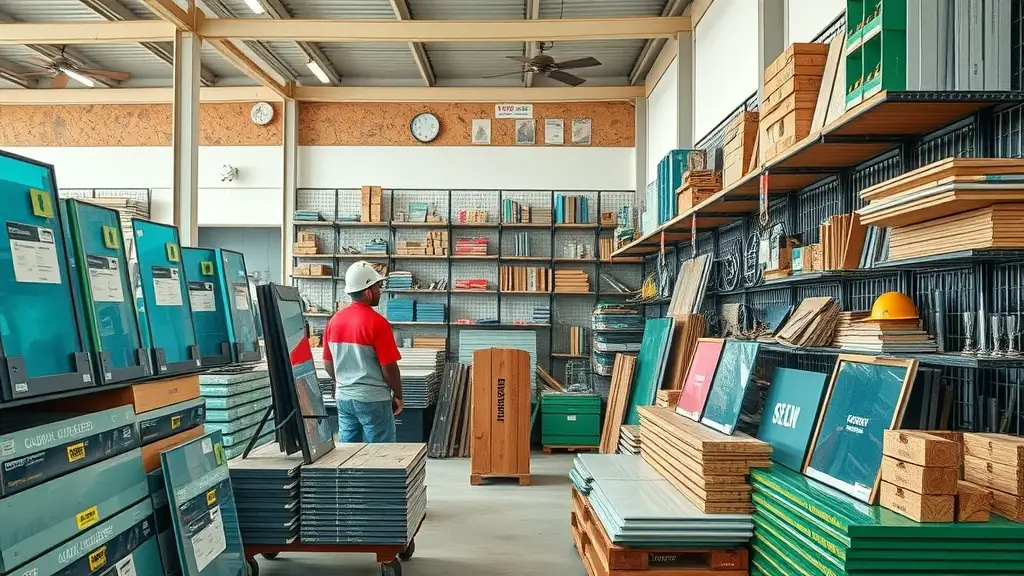
Glass sheets are used in Sri Lankan construction for windows, doors, shower partitions, tabletops, mirrors, railings and shopfronts. Choosing the right sheet comes down to three decisions: the type of glass (annealed, toughened or laminated), the thickness that suits the application, and the safety requirements of where it will be installed. This guide walks through each decision so you can order correctly the first time. You can browse our [hardware and building materials](https://seegaan.lk/products) or [contact us](https://seegaan.lk/contact) for current rates and cutting services.
What types of glass sheets are available in Sri Lanka?
The most widely stocked glass types are float, toughened, laminated, frosted, mirror and wired glass. Each behaves differently when it breaks, and that behaviour is the key to choosing safely.
- Float (annealed) glass: the standard clear sheet. It can be cut to any size at the shop, is the most affordable option, and suits windows and frames where breakage poses little risk. When it breaks, it forms large, sharp shards.
- Toughened (tempered) glass: heat-treated so it is roughly four to five times stronger than float glass. If it breaks, it crumbles into small, blunt granules instead of sharp shards. It must be cut, edged and drilled before toughening, so it must be ordered to exact final dimensions.
- Laminated glass: two glass layers bonded around a clear plastic (PVB) interlayer. When broken, the interlayer holds the pieces together, keeping the opening sealed. It offers better security, sound reduction and UV filtering, and it is the usual choice for overhead glazing and shopfronts.
- Frosted or patterned glass: acid-etched or textured float glass that lets light through while blocking visibility. Common for bathroom windows, doors and partitions where privacy matters.
- Mirror glass: float glass with a silvered backing, used in bathrooms, dressing areas, wardrobes and gyms.
- Wired glass: float glass with a steel mesh inside, which holds fragments together after breakage and is sometimes specified for doors and fire-separated openings.
For outdoor or impact-prone uses, clear polycarbonate and acrylic sheets are also worth comparing. They are lighter and far harder to break than glass, though they scratch more easily.
Which thickness should you choose for each application?
Thickness should follow the size of the pane and the load or impact it will face. Larger panes need thicker glass; a pane that is too thin for its size will flex, rattle in the wind and fail early. As a practical guide:
- 4 mm: picture frames, small cabinet doors, small window panes and smaller mirrors.
- 5-6 mm: standard window panes, tabletops, wardrobe and furniture shutters, larger mirrors.
- 8 mm: larger tabletops, shower partitions and shower screens.
- 10-12 mm: frameless glass doors, shower enclosures, balustrades, railings and structural panels.
When in doubt, tell your supplier the opening size and the application rather than a thickness alone; a good merchant will confirm the specification before cutting or toughening.
Where is safety glass required in a home or building?
Any pane within reach of people should be toughened or laminated, not ordinary float glass. Priority locations are glass doors, shower and bath enclosures, full-height windows beside walkways, low windows that a child could fall through, railings and balustrades, and mirrors on wardrobe doors. For overhead glazing, skylights and canopies, laminated glass is preferred because the interlayer keeps broken pieces in place instead of letting them fall.
For shops, offices and public buildings, follow the glass specification given by your architect or engineer, since commercial projects usually carry stricter requirements for glazing in doors and low-level areas. If a drawing specifies toughened glass in a location, do not substitute annealed glass to save cost.
What should you check before buying glass sheets?
A few minutes of checking saves the cost of a wasted sheet, especially with toughened glass, which cannot be reworked once processed.
- Measure the opening, not the old pane. Measure width and height at more than one point, since old frames are rarely square, and give your supplier the exact figures.
- Order toughened glass to final size. Confirm all cut-outs, notches, holes and hinge positions before the sheet goes into the furnace; nothing can be changed afterwards.
- Inspect the sheet surface. Check under good light for bubbles, scratches, chips and distortion, and confirm the edges are polished or bevelled where they will be exposed.
- Expect a slight green tint on thick float glass. This is normal in thicker panes; low-iron glass is available if a perfectly clear look matters.
- Plan the delivery. Glass is heavy and fragile; confirm whether delivery is included, how the sheets will be packed, and who will carry them to the installation point.
How much do glass sheets cost in Sri Lanka?
Glass is priced by type, thickness and sheet size, with cutting, edging, toughening and delivery usually added separately. Float glass is the cheapest option, toughened glass costs more because of the heat treatment, and laminated glass costs more again. Prices vary; contact us for current rates, minimum order sizes and lead times for cutting and toughening.
Frequently asked questions
What sizes do glass sheets come in?
Suppliers stock large standard sheets and cut them to your measurements, so you buy only the area you need. Common stock sizes include sheets around 2140 x 1650 mm and larger 3660 x 2440 mm panels, but availability varies by type and thickness, so confirm stock before you plan your cut list.
Can toughened glass be cut or drilled after toughening?
No. Once toughened, the internal stress in the sheet means any cutting, drilling or edge work will shatter it completely. All shaping must be done before toughening, which is why your measurements and cut-outs must be finalised when you place the order.
Which glass is best for a bathroom shower partition?
Clear toughened glass of 8 mm or 10 mm is the standard choice for shower partitions and enclosures. It handles daily impact and moisture well and, if it ever breaks, it forms small blunt granules rather than dangerous shards. Use frosted toughened glass if you also want privacy.
How do I measure correctly for a replacement glass pane?
Measure the width and height of the opening at the top, middle and bottom, and use the smallest measurement. Allow a small clearance (typically a few millimetres) for the pane to sit in the frame, and mention the rebate depth to your supplier. For doors and large panels, have the supplier or your carpenter take the final measurements before ordering.