Buying Guides
Floor Tiles vs Wall Tiles: How to Choose
21 Nov 2026 · Seegaan Hardware Team · 6 min read
Floor tiles are built to carry weight; wall tiles are built to stick. That is the simplest rule for choosing between them: floor tiles are thicker, denser and rated to handle foot traffic, while wall tiles are lighter and thinner so they bond securely to vertical surfaces. Use floor tiles on any surface people walk on, and wall tiles on splashbacks, shower walls and feature panels. A tile rated for floors can usually also go on walls, but a wall-only tile should never be installed on a floor. This guide explains the differences, where each type belongs, and what to check before you order tiles for your home or project in Sri Lanka.
What is the real difference between floor tiles and wall tiles?
Both are usually made from ceramic or porcelain, but manufacturers design them for different jobs. The differences that matter at the point of purchase are thickness, strength, slip resistance and weight.
- Thickness and strength: floor tiles are generally thicker and denser, so they resist cracking under foot traffic, furniture and dropped objects. Wall tiles are thinner and lighter, which makes them easier to bond to vertical surfaces.
- Slip resistance: floor tiles for bathrooms, kitchens and outdoor areas typically have textured or matte surfaces that grip wet feet. Many wall tiles are glossy and smooth, which looks good on a wall but is risky underfoot in a wet area.
- Wear rating: floor tiles are graded for abrasion and traffic. Ask for the tile's technical datasheet and confirm it is a floor-rated product, not just a decorative wall tile.
- Weight: heavy floor-rated porcelain can be too heavy for some walls, so the wall surface and the adhesive must be able to carry it safely.
Can you use wall tiles on the floor?
No. Keep wall tiles off floors in almost every case. A wall tile is thinner and made for vertical bonding, not for impact. Under foot traffic it can crack from point loads such as a heel, a chair leg or a dropped pot, and a glossy wall-tile surface becomes dangerously slippery when wet. Even if it survives installation, it will usually scratch, wear and chip far sooner than a proper floor tile. If the box or datasheet says walls only, believe it. The small saving on the tile price is never worth re-tiling an entire floor later.
Can you use floor tiles on the wall?
Yes, floor tiles can normally be used on walls, and many homeowners do it for a consistent look across a bathroom or kitchen. Check two things first. Weight: large-format porcelain is heavy, so the wall must be sound, and the adhesive must be a flexible, high-bond type suited to the tile size. Finish: a polished floor tile gives a sleek wall, but keep the wet-area slip rules in mind for the floor you pair it with. If you are unsure whether a particular wall can carry a heavy tile, ask your tiler or [contact our team](https://seegaan.lk/contact) before you buy.
Which tiles should you choose for each room?
Match the tile to the conditions of the room, not only to the colour you like. A practical guide for Sri Lankan homes:
- Bathroom floors: matte or textured ceramic or porcelain rated for floors, because the surface stays wet in daily use.
- Bathroom walls: glazed wall tiles around the shower and basin; they are lighter, easier to cut and simple to wipe clean.
- Kitchen floors: durable, floor-rated porcelain that shrugs off spills, stains and heavy movement; matte finishes hide dust and water marks better.
- Kitchen splashbacks: glazed wall tiles, which clean easily and allow bright feature colours at a lower cost.
- Living areas and bedrooms: polished or glazed floor porcelain for a premium look, where slip resistance is less critical because the area stays dry.
- Verandas, rooftops and outdoor steps: matte, textured floor tiles rated for exterior use, with a grip that holds up in monsoon rain and strong sun.
How much tile should you order?
Measure the length and width of the area in metres and multiply them to get square metres, then add roughly ten percent extra for cuts, breakages and future repairs. Add a bigger allowance for diagonal or patterned layouts, which waste more material. Order the full quantity in a single batch, because tiles from different production runs can vary slightly in shade even when the product code is identical, and check that every carton carries the same shade and calibre marking before your tiler starts. Tile prices vary by size, finish and brand; contact us for current rates and availability before you finalise your budget.
What should you check before buying tiles in Sri Lanka?
A few minutes of checking protects you from the most common tile complaints, from shade variation between batches to cracking in outdoor areas.
- Confirm the rating: ask whether the tile is rated for floors, walls or both, and read the technical datasheet for wet areas and exterior use.
- Match the batch: buy everything in one order and check the shade and calibre codes on every carton.
- Plan the layout: agree the tile direction, joint width and border details with your tiler before delivery, so you order the right sizes and quantities.
- Use the correct adhesive and grout: wet areas and exterior walls need flexible, water-resistant adhesive and grout, not basic cement paste.
- Inspect on delivery: open cartons and check for cracks and chips before installation begins; claims are far easier to settle before tiles are laid.
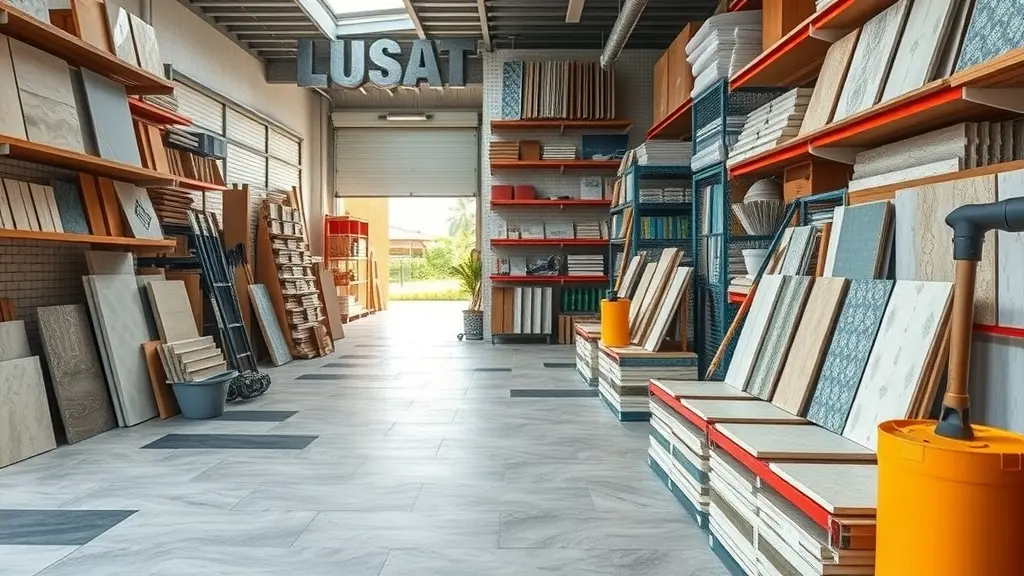
Comparing finishes side by side makes the final choice much easier. You can [browse our tile range](https://seegaan.lk/products) online, then visit us to see the sizes and textures in person.
Frequently asked questions
Can wall tiles be used on the floor?
No. Wall tiles are thinner, lack a floor wear rating and often have glossy, slippery surfaces. Under foot traffic they can crack from point loads and will scratch and wear quickly, especially in wet areas. Always choose tiles that are explicitly rated for floors.
Can floor tiles be used on walls?
Yes, in most cases. Floor tiles are strong enough for walls, but they are heavier than wall tiles, so confirm the wall is sound and use a flexible, high-bond adhesive suited to the tile size. Very large formats may need extra surface preparation.
Are bigger floor tiles always better?
No. Large tiles make a room feel more open and leave fewer grout lines to clean, but smaller tiles suit compact spaces and sloped shower floors better, and very large tiles need a perfectly level floor. Choose the size that fits the room and your tiler's preparation.
How much extra tile should I buy for wastage?
Plan for roughly ten percent extra on straight layouts to cover cuts, breakages and future repairs, and more for diagonal or patterned layouts. Buy the full quantity from a single batch, and keep a few spare tiles after the job for later repairs.