Materials
Brass vs Steel Hinges: Which Lasts Longer in Humid Climates?
25 Nov 2026 · Seegaan Hardware Team · 6 min read
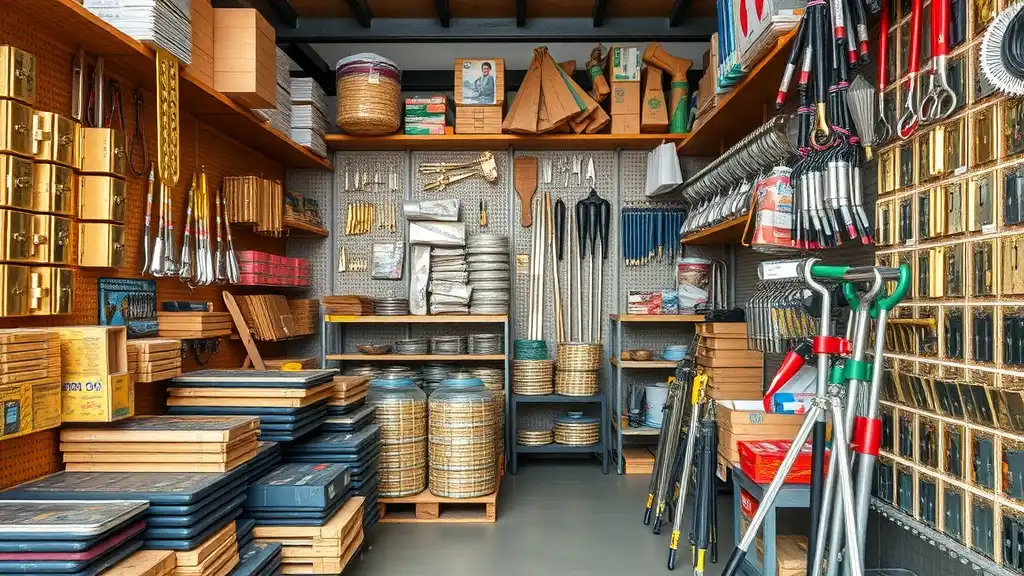
The short answer: in Sri Lanka's humid climate, brass hinges usually outlast plain steel hinges because brass contains no iron and therefore cannot rust. The exception is stainless steel, which handles moisture even better and is the strongest choice for bathrooms, kitchens and coastal homes. For most interior doors, brass is a durable, attractive option; wherever water is a daily factor, choose solid brass or good-quality stainless steel.
Which hinge material lasts longer in humid climates?
Brass generally lasts longer than ordinary carbon steel in humid conditions. Brass is an alloy of copper and zinc, and rust is iron oxide — so a metal with no iron simply cannot rust. Plain steel hinges, by contrast, react with moisture in the air and develop rust that causes stiffness, squeaking, staining and, eventually, failure of the hinge.
Steel, however, covers more than one product. Galvanized steel is coated with zinc to slow corrosion, and stainless steel contains chromium, which forms a protective surface layer that resists rust remarkably well. Put simply: plain steel is the weakest option in humidity, brass performs reliably, and marine-grade stainless steel is the top performer for wet and coastal locations.
How does Sri Lanka's weather affect your door hinges?
Sri Lanka's warm, humid air, monsoon downpours and salty coastal breeze make life difficult for metal fittings. Moisture condenses on hinge knuckles and pins, and near the ocean, salt particles accelerate corrosion sharply — which is why a hinge that performs well inland may deteriorate much faster a few kilometres from the sea.
The warning signs are easy to spot. Steel hinges show reddish-brown rust flakes, while brass may develop a greenish or dull brown tarnish. Both can stiffen, squeak or cause a door to sag and scrape. Rust can also bleed onto painted timber, leaving stains that are hard to remove.
What are the advantages of brass hinges?
Brass has earned its place in Sri Lankan homes for practical reasons, not just looks. Its main strengths are:
- Natural corrosion resistance: brass does not rust, so it copes well with humid air and occasional splashes.
- Attractive finish: the warm golden tone suits timber doors, antique fittings and period-style homes, and it polishes up beautifully.
- Smooth, quiet operation: brass hinge pins run smoothly and resist seizing inside the knuckle.
- Long indoor service life: on interior doors and furniture, a quality brass hinge can serve for decades with basic care.
The trade-offs? Brass is softer than steel, so it is not the first choice for very heavy doors or high-traffic gates. Genuine solid brass also commands a premium over basic steel, although prices vary; contact us for current rates. And while brass does not rust, it can tarnish, so an occasional polish keeps it looking its best.
What are the advantages of steel hinges?
Steel remains the workhorse of the hardware world, and for good reason:
- Strength: steel hinges carry heavy leaves and doors with less bending and wear than softer metals.
- Value: plain and plated steel hinges are usually the most budget-friendly option, though prices vary by size and finish.
- Choice of protection: galvanized coatings and stainless grades give you real options for damp locations.
The main weakness is corrosion. Unprotected steel begins to rust as soon as moisture and air reach bare metal, and a scratched galvanized or plated finish exposes the steel underneath. Coastal salt air is particularly harsh. If you choose steel for a humid location, pick galvanized or stainless versions rather than a plain finish, and maintain them regularly.
Which hinge should you use in each room?
The right answer depends on moisture, load and location. As a rule of thumb:
- Bathrooms and washrooms: solid brass or stainless steel — never plain steel.
- Kitchens: brass or stainless steel near the sink and stove, where steam and splashes are frequent.
- Coastal homes: marine-grade stainless steel for exterior doors and gates; brass is acceptable indoors.
- Bedrooms and living areas: brass hinges offer the best blend of durability and appearance.
- Heavy external doors and gates: heavy-duty stainless steel or galvanized steel, sized for the weight of the leaf.
- Cupboards and furniture: brass or plated steel hinges are normally sufficient.
How can you make hinges last longer in a humid home?
Whichever material you choose, simple habits extend hinge life considerably:
- Wipe hinges dry after heavy rain, mopping or cleaning.
- Lubricate hinge pins with a drop of light machine oil once or twice a year.
- Fit screws made of the same metal as the hinge — mixing metals in damp conditions speeds up corrosion.
- Avoid harsh or acidic cleaners that strip protective finishes.
- Inspect doors once a year for stiffness, squeaking, rust spots or sagging, and tighten loose screws promptly.
- Replace failing hinges as a matched set so the door hangs evenly.
Where can you buy quality hinges in Sri Lanka?
Seegaan Hardware Centre supplies brass, stainless steel, galvanized and heavy-duty hinges for homes, construction sites and furniture projects across the country. You can browse [our range of hardware](https://seegaan.lk/products) online, and if you are unsure which hinge suits your door, our counter team can recommend the right size, material and finish. Prices vary; [contact us](https://seegaan.lk/contact) for current rates and bulk-order pricing.
Frequently asked questions
Do brass hinges rust?
No. Rust is iron oxide, and brass is a copper-zinc alloy containing no iron, so it cannot rust. It may tarnish or develop a patina over time, but that is a surface change, not corrosion eating into the metal.
Are stainless steel hinges better than brass for bathrooms?
For bathrooms and other constantly damp spaces, stainless steel is generally the safer choice. It shrugs off frequent water contact, steam and cleaning products, while brass performs well but needs a little more care to stay bright.
How often should you replace hinges in a humid climate?
There is no fixed timeline — lifespan depends on the material, the finish, the load on the door and the upkeep. Replace hinges when you see rust spreading, feel persistent stiffness, or notice a door sagging or scraping even after lubrication.
Which hinge is best for coastal homes in Sri Lanka?
Marine-grade stainless steel is the best all-round choice for coastal properties because salt air corrodes most other finishes quickly. Solid brass also performs respectably indoors, while plain steel should be avoided for anything exposed to sea breeze.